Grape varieties

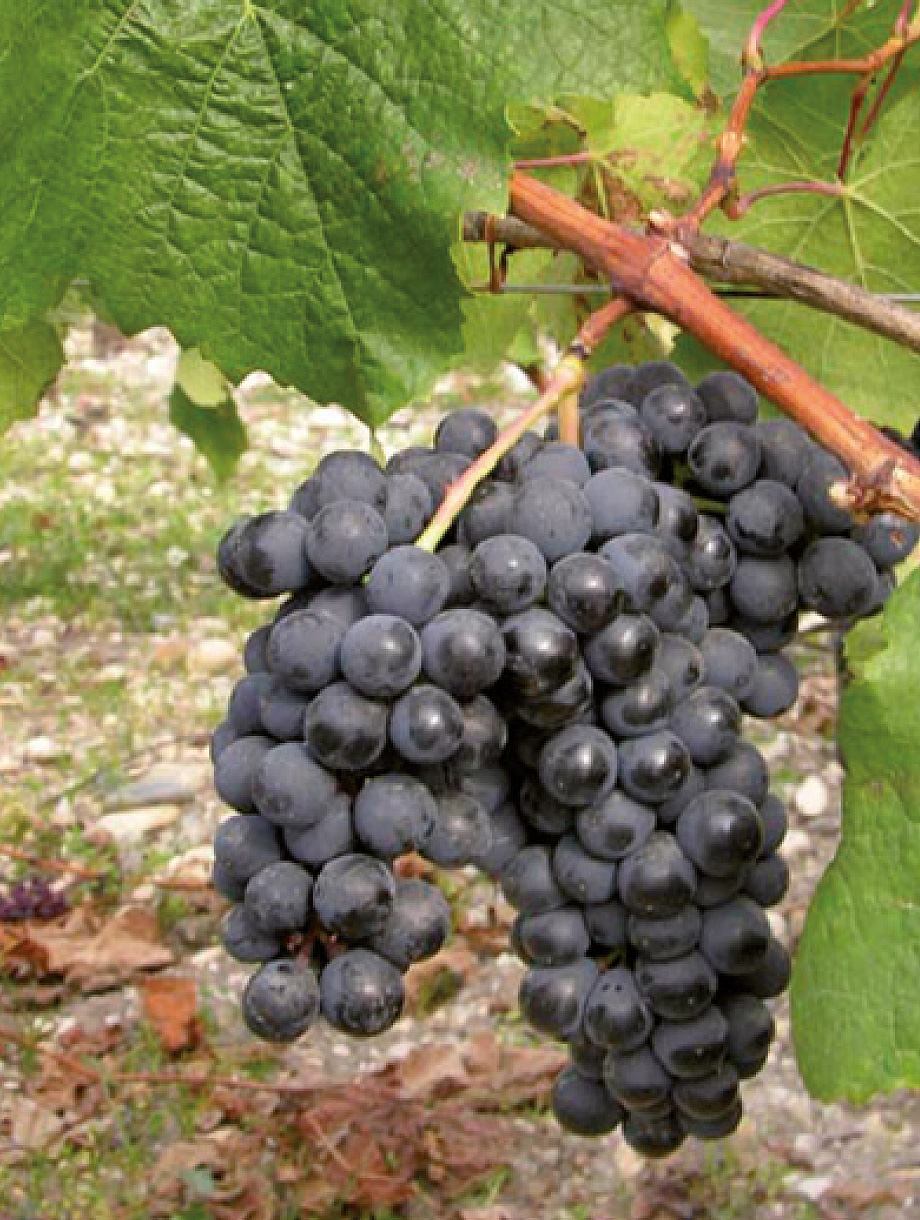
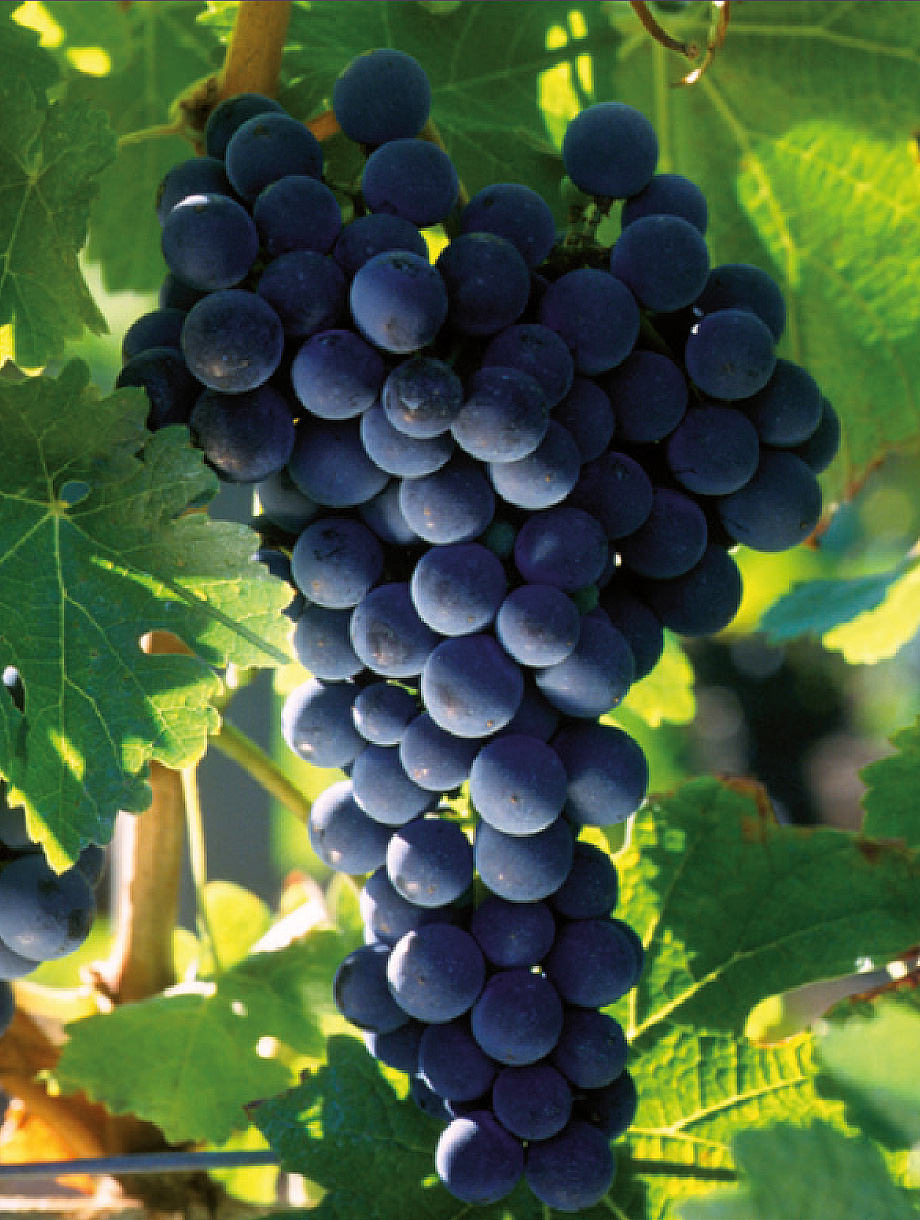
The rich variety of the Médoc wines arises from the blending of four highly complementary grape-varieties. The fact that they do not all ripen at the same time enables harvesting to be staggered, from the Merlot to the Cabernet-Sauvignon. The Médoc’s grape varieties are particularly adapted to the humid climate: Cabernet Sauvignon is notable for its resistance to rot in moist years. Bordeaux’s late season, generally mild and sunny, helps the grapes ripen perfectly. A good combination of terroir and grape variety is primordial, specific to each AOC but also to each property.

Cabernet Sauvignon

A vigorous and productive grape variety. Later ripening than Merlot (8–10 days).
Soil: Adapted to gravel soils.
Wine: Beautiful color, violet hues.
Aromas of black currant and black berry, pepper, spices, animal notes. Tanins.
Contribution: Brings structure and fruitiness.
A great ability for long-ageing
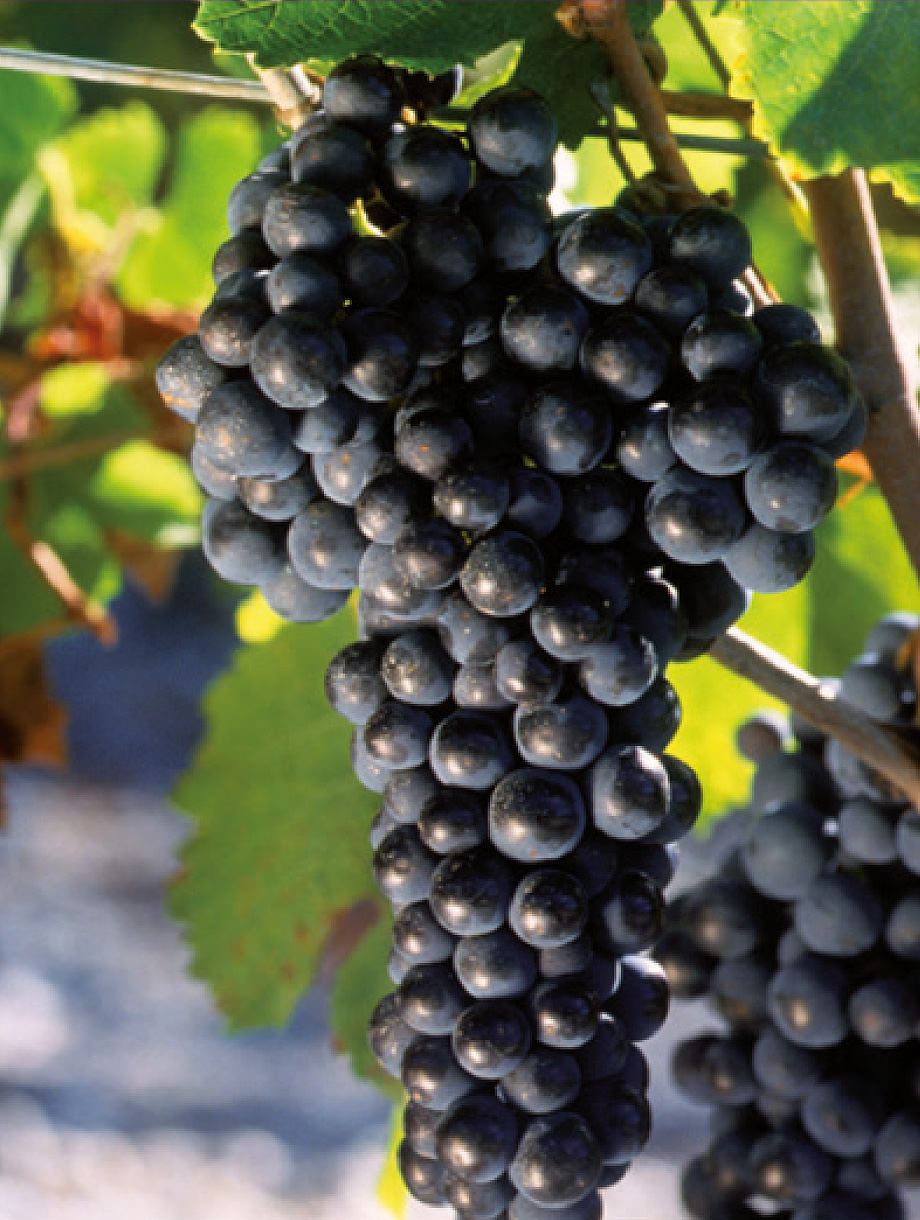
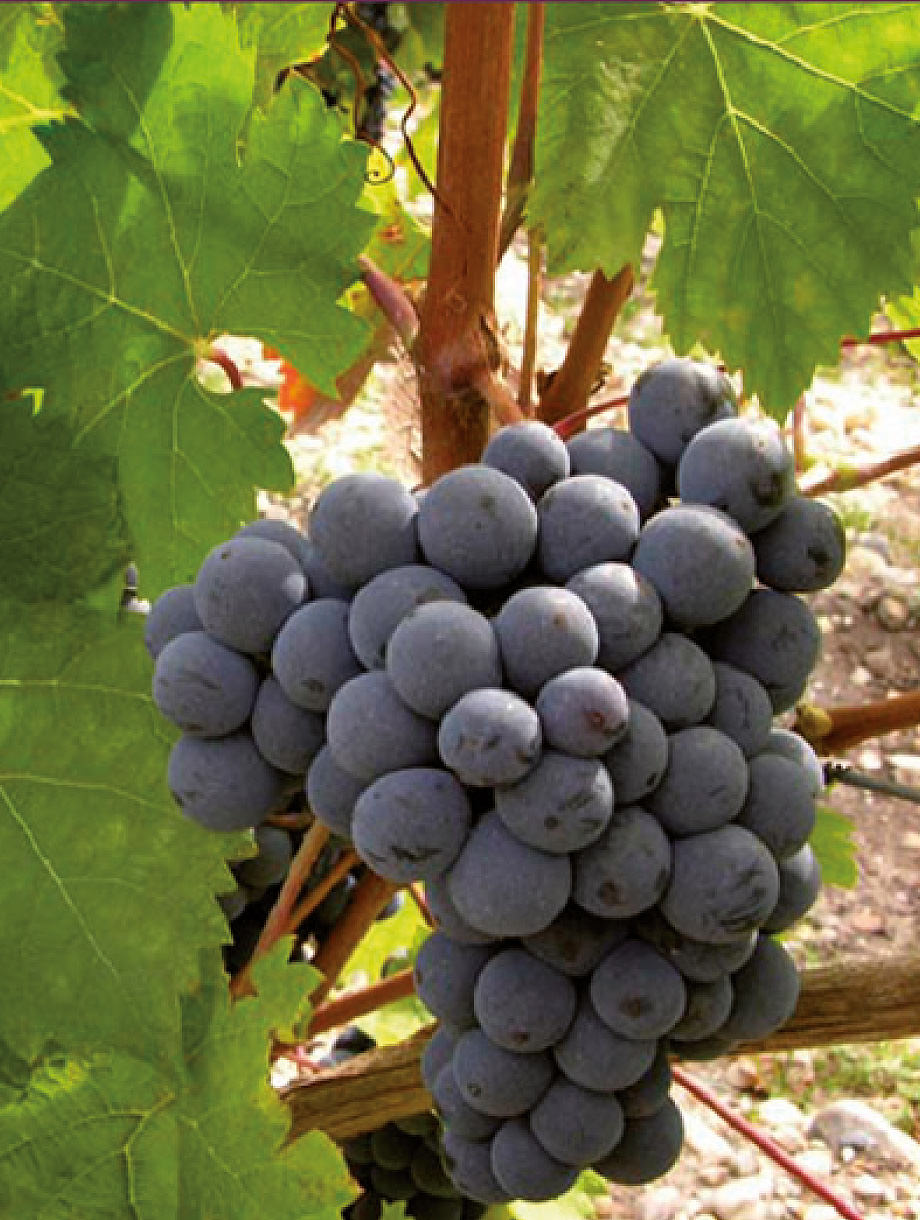
Merlot

The earliest-ripening grape variety.
Soil: Adapted to clay-limestone terroirs (cooler soils).
Wine: Deep colour.
Aromas of prunes, forest floor, grilled notes.
Both mellow and rich in alcohol.
Contribution: Brings softness to a blend.

Cabernet Franc

Rather late ripening grape variety.
Soil: Adapted to clay-limestone terroirs.
Wine: Lighter in colour but with great brilliance.
Aromas of raspberry, with floral and spicy notes. Supple tannins.
Contribution: Gives the wine a rich bouquet.

Petit Verdot

Rather late-ripening grape variety.
Soil: Adapted to gravel terroirs.
Wine: Deeply coloured.
Aromas of black fruit, floral notes. Tannins, Alcohol and Freshness.
Contribution: Gives the wine body and colour.


Find the Médoc appellations