Climate and micro-climate
The 45th parallel crosses the Médoc Peninsula, situated between the Atlantic Ocean and the Gironde Estuary in southwest France. This explains its relatively warm, damp climate, bathed in light, sun and sea breezes. This protects the vines from the late spring frosts and diseases such as mould and mildew, which might easily develop with summer rains. The peninsula’s geographical position, lying between two great water masses, which regulate the temperature throughout the year, creates a highly favourable microclimate.
The annual weather changes affect the vintage style.
The grapes ripen better when the months of August and September have less rain and more sunshine. The very great vintages are always the result of hot, dry summers. Rain and cool conditions during flowering can delay pollination, reducing the volume of harvest without necessarily impinging on the quality.

A mosaic of exceptional terroir
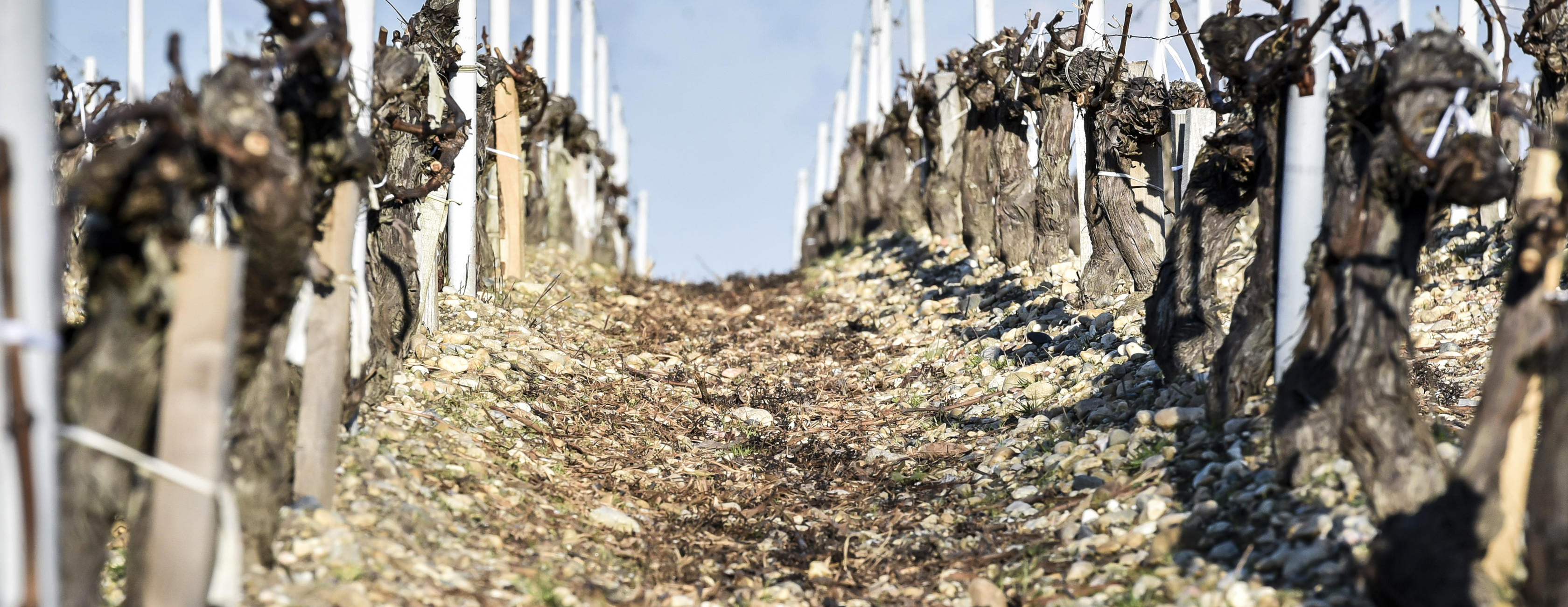
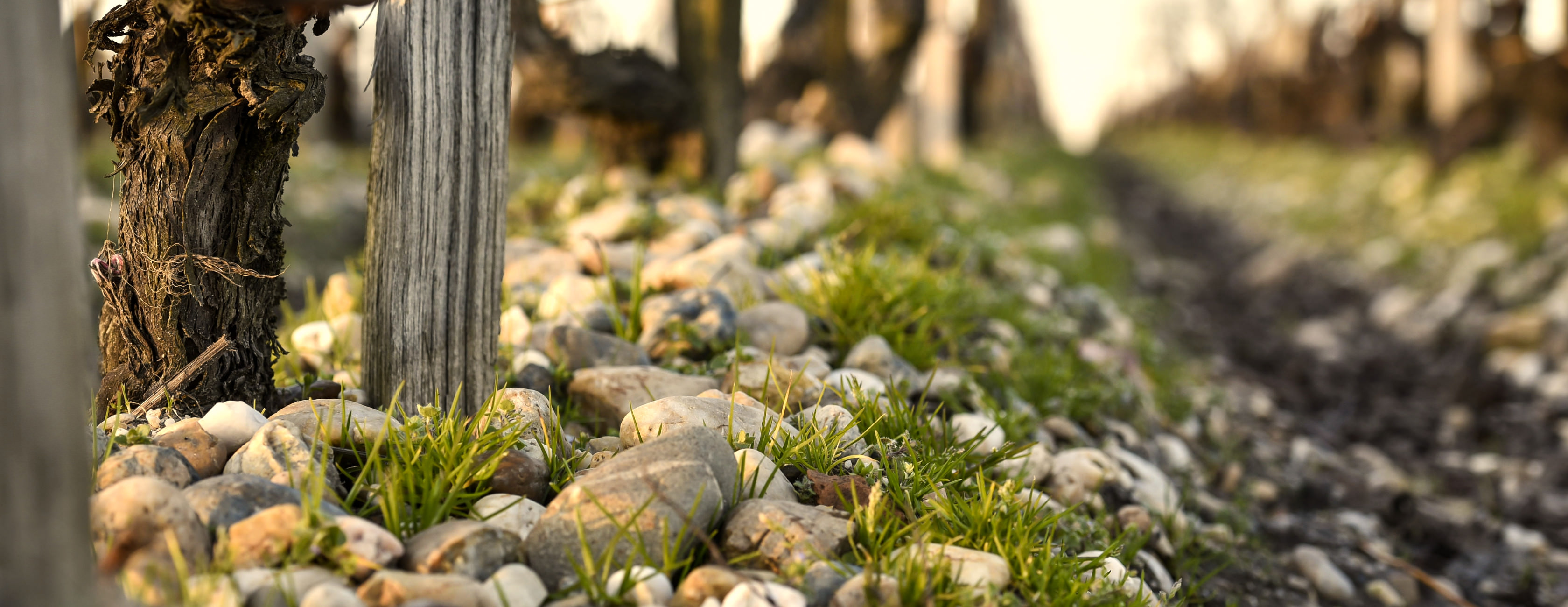
In addition to this unique climate, the Médoc has the advantage of an unparalleled terroir. In fact, it is more precise to speak of terroirs, since the Médoc is a combination of two types of soil. Pyrenean gravel, carried by the river at the end of the tertiary period, mixed with sand and alluvial soil, combined with quaternary Garonnaise gravel along the length of the estuary’s left bank. This type of soil is found in particular in the Haut-Médoc region.
The other terroir, found in Moulis, Listrac and Saint-Estèphe for example, is predominantly clay and limestone, a combination of dense soil and stone, which helps to regulate the vine’s water stress by redistributing groundwater collected during the rainy season. These soils produce well-structured wines that are rich in tannins.
A relief of outcrops
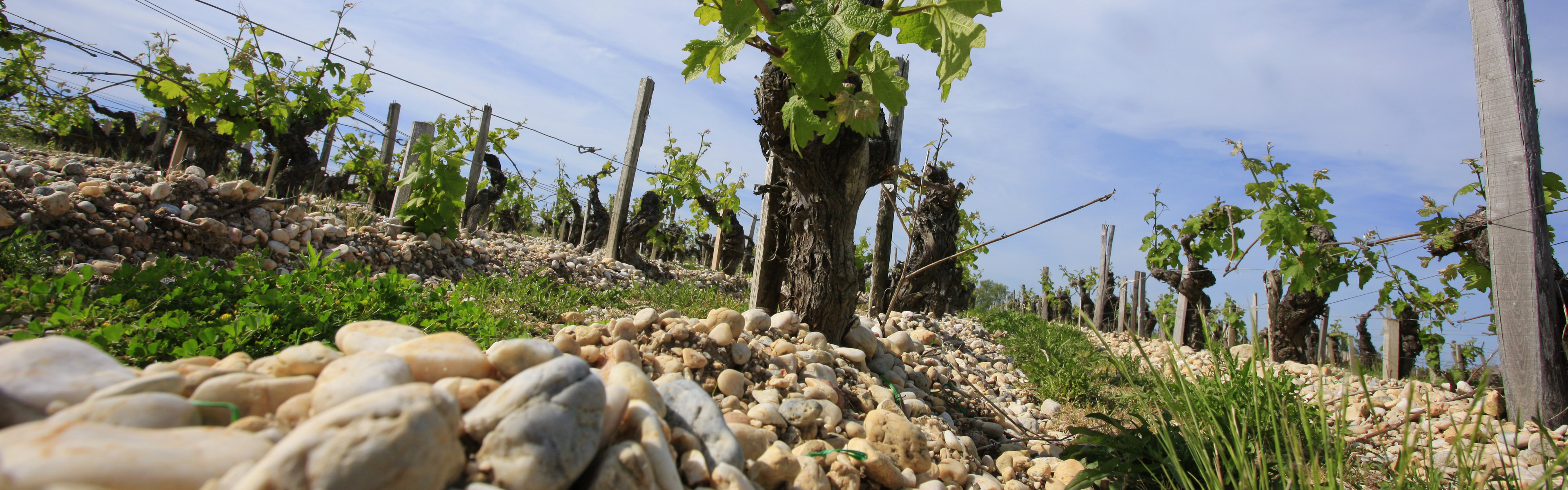
For terroir specialists, the most important geological event was the destruction of the gravel terraces by erosion, when tributaries of the Garonne, the “jalles” or brooks, cut out valleys. This destruction explains the succession of gravel outcrops whose topography of depressions and folds plays such an important role in water drainage.
The characteristic trait of the Médoc landscape is its gentle undulations with the highest point at 43 metres at Listrac-Médoc. Its relief is complex, made up of a succession of these gravelly outcrops overlooking the low-lying land by the estuary and the small brooks, which flow out into it.
These outcrops are the vineyards favourite terrain.