
History
The first vineyards of Bordeaux :
- In 40 BC, wines from Italy and Spain were consumed here. Vines were introduced in the 1st century, when the Bituriges vivisques, Celtic warriors living in Burdigala, the future Bordeaux, decided to their own vineyards plant vines with a new varietal that could survive the cold: Biturica, the ancestor of Cabernet.
- Bordeaux then started exporting its wines in 100 AD from vineyards in and around the city.
The growth of the vineyards under the English Influence :
- In 1152, Eleanor, the Duchess of Aquitaine, married Henri PLANTAGENET, the future English king. This was the beginning of a period major trade between the two countries: the English exported food, textiles and metals and imported Bordeaux wines. They called the wine Claret because of its light colour. The power of the English fleet and the easy access of the port of Bordeaux via the Gironde Estuary encouraged wine exports by boat and the growth of the vineyard and the port of Bordeaux. In three centuries of English rule, Bordeaux established a monopoly of production, sales, shipping and distribution of wine to Great Britain.
- In the Médoc pockets of vines appeared from Blanquefort to Margaux in the 14th and 15th century, and even as far as Pauillac around Chateau Latour.
- The first real wine properties were planted in the 16th century by leading members of the Parliament and by traders, who invested in the finest outcrops of gravel at the beginning of the 17th century.
Technical evolution, selection and ageing :
- After English, other nations arrived, in particular the Dutch who, as well as being major wine buyers, improved vine growing and wine making techniques for over a century: draining the marshes, using sulphur to preserve wine during transport, topping up and racking of the wine, etc.
- By the mid 18th century wine-making techniques became more precise, with stricter selection and the introduction of first and second wines. The first negociants perfect the ageing of wines in cellars in the famous Chartrons area of Bordeaux.
Prosperity :
- The nobility of Bordeaux invested massively in Médoc vineyards: Ségur, Pontac, Brane … by 1760, almost all of the Médoc vineyard was established.
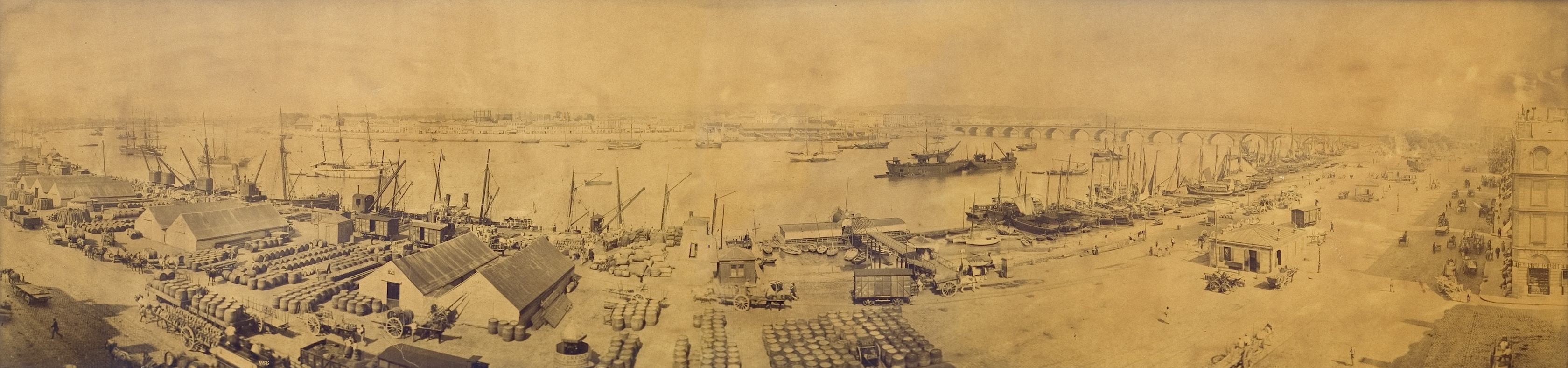
- The reputation of the Médoc began to shine. The 18th century was the golden age for Bordeaux and the merchants. The Port de la Lune, one of the first commercial ports in the world, amplified the expansion trade in these wines from Bordeaux vines planted on soils with a reputation for being poor.
- By the end of 18th century, England represented just 10% of exports, but the wines became fashionable amongst the London « High Society ».
- The idea of Grand Crus and Châteaux as we know them today were created at this period. Shown by the 1855 classification and a strategy of long-term investment in quality (improvements in the vineyards, creations of plots, production techniques, creation of cellars….).
A Slowdown :
- The end of the 19th century brought the Bordeaux vineyard expansion to a halt: increases in trade with the United States, initially positive – resulted in the importation of disease that ravaged the vines of the region.
- Odium (Powdery Mildew) was eliminated by the invention of sulphur based treatments (1857).
- Grafting Bordeaux varietals onto resistant American rootstock finally defeated phylloxera, which ruined the vineyard from 1875 to 1892.
- The « Bordeaux Mixture », a copper preparation was created in the Médoc to treat Mildew. It is still used today all over the world.
- At the end of the 19th century there were almost 25000 Ha of vines in the Médoc, these diseases, followed by two world wars, world economic crises and the frost of 1956 saw the surface area reduced to about 6000 Ha at the end of the 1950s.
Renaissance period :
- The second half of the 20th century saw the reconstruction of the vineyard with a wave of modernisation and innovation, proof of the passion and confidence the Médoc wine makers had in their appellations.
- In 40 years this reconstruction has increased the surface area to about 15 000 Ha today.
- 1983: after a long period of gloom Parker, a young wine critic, praised the great vintage of 1982. Prices soared; a decade of prosperity began, bringing back buyers from the USA.
The 80s, 90s and 2000s saw a series of legendary vintages in Bordeaux, and in the Médoc in particular, attracting interest from more markets and prestigious investors. The Wines of the Médoc region acquired an excellent, ground-breaking reputation for winemaking throughout the world.